


Indian Wedding Photography in Florida: A Planning Guide for Multi-Day Celebrations
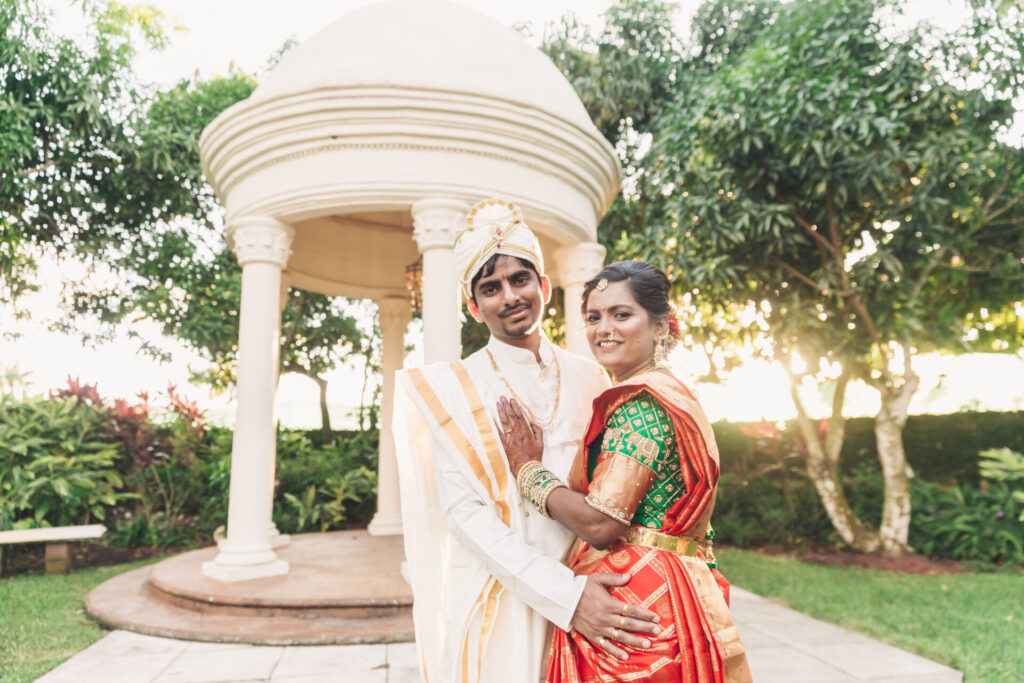
Indian weddings are colorful, emotional and full of traditions, and they usually last more than one day. That makes them some of the most rewarding weddings to photograph and film, but they also need careful planning. This guide explains how to plan photography and videography for an Indian wedding in Florida, which events to cover, and what to look for in your photo and video team.
Which events should you cover?
Every family is different, and traditions vary between regions and communities. These are the events our couples most often ask us to photograph:
- Mehndi. Henna for the bride and the women of the family. Close-up detail photos of the designs are a must, along with candid moments, music and dancing.
- Haldi. A joyful, messy ceremony with turmeric paste. Plan clothes that can get stained and protect the camera area. Some of the most fun photos of the whole wedding come from Haldi.
- Sangeet. An evening of performances, dancing and toasts. Low light and fast movement need an experienced team with the right equipment.
- Baraat. The groom’s procession, often with music and dancing. Agree on the route and timing with your venue in advance.
- Ceremony. The heart of the day, often under a mandap. Rituals can take time, so we plan where the photographer and videographer stand to capture every moment without blocking guests.
- Reception. Grand entrance, speeches, first dance and the party.
Photo and video together
With so many events, booking photography and videography from one team makes everything easier. The photographer and videographer work together, share the plan and the shot list, and never get in each other’s way. For a multi-day wedding, this also means fewer people to coordinate with. You can see how we work on our Indian wedding gallery.
How to plan the timeline
- Give every event its own block. Write down the start time, the location and the most important moments of each event.
- Share the family list. Indian weddings often have large family groups. A written list of family photos saves a lot of time.
- Plan couple portraits in good light. In Florida, the hour before sunset gives the most flattering light. If the ceremony is at midday, we find shade or plan portraits later in the day.
- Allow time for outfit changes. Many brides wear several outfits, and each one deserves its own portraits.
- Talk to the venue about the Baraat and fire. Some venues have rules about processions, horses, music volume and open flame for the ceremony.
For a general sample schedule, see our wedding day photography timeline.
Real Indian weddings we photographed in Florida
- Radhika and Goutham, Miami
- Chelsie and Mayank, Fort Lauderdale
- Salina and Bishwas, Orlando
- Afaf and Syed, St. Augustine
- Jordanna and Klaus, Gainesville
We also photograph Indian weddings in California. See our page for Indian wedding photographers in the Bay Area.
What to ask your Indian wedding photographer
- Have you photographed multi-day Indian weddings before? Can we see full galleries?
- How many photographers and videographers will be at each event?
- How do you handle low light at the Sangeet and reception?
- How long will it take to receive our photos and film?
- Can coverage be customized for each event?
Best time of year for an Indian wedding in Florida
Many families prefer the cooler, drier months from November to April, especially for outdoor events like the Haldi and the Baraat. Summer weddings are possible too, with indoor backups and good planning. Read more in our guide to the best time to get married in Florida.
Planning your celebration?
Palms Isles covers Indian weddings across Florida, including Miami, Orlando, Tampa and Jacksonville. Coverage for multi-day events is built individually. See how our pricing works and send us your dates to get a personal quote.
Planning a wedding in Florida, Colorado or California? Tell us your date and we will send availability and our full price menu.
Check pricing & availability